


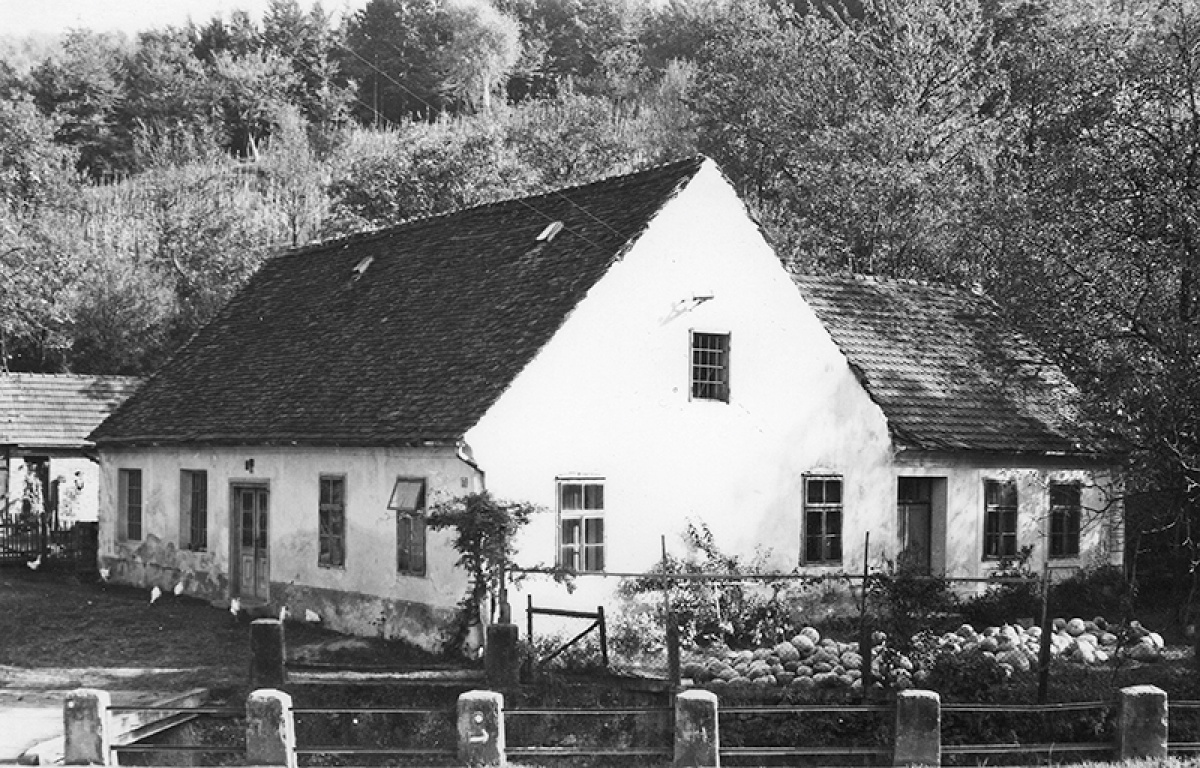

This mill has had several owners over the past period. Initially, it was owned by Pust, followed by Ivan Čaklec, who is credited with its restoration in 1949. The last owner was Franjo Lončar. This mill was used for grinding grain. In addition to milling, the building also served as a residence for the family.
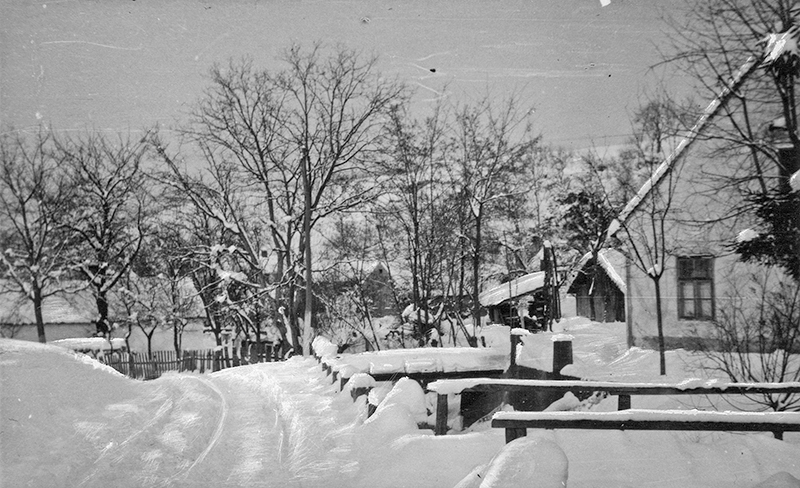
On the courtyard side of the building, architectural traces still exist today, indicating the mill's former presence. Specifically, compared to the current Bistrica River mouth, water once flowed to the mill via a wooden channel onto the mill's water wheel located at the rear of the structure. Today, we observe how, following the cessation of operation of all the mills in Ivanec, a period of construction began that completely altered the former landscape and influenced the present visual perception of the area’s past appearance. The mills of Ivanec represent an almost enigmatic chapter in terms of mill construction and ownership, as they were often subject to changes, especially in their early days. Due to insufficient knowledge about their production methods, these mills escaped the attention of economic historians and became a subject of study for ethnographers, photographers, and enthusiasts passionate about our intriguing and turbulent past.
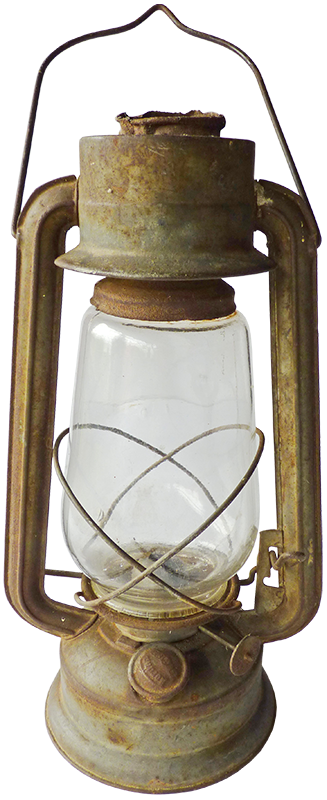
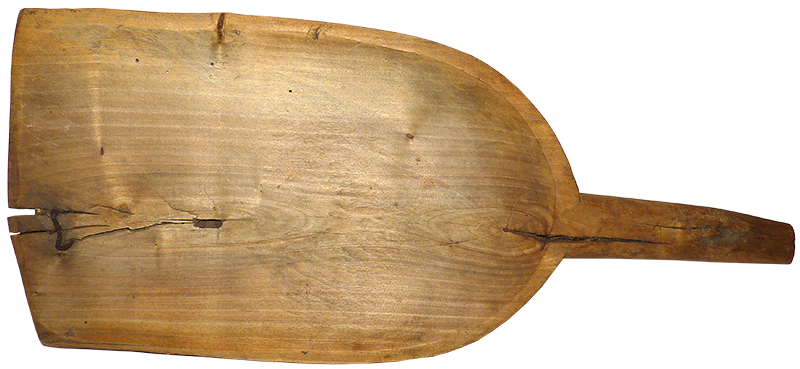
Particularly valuable are any material artifacts that provide us with a glimpse of the former appearance of the mill itself, as well as the tools and objects that were once in use.
It is important to highlight the characteristics common to all the mills of Ivanec. In the past, a notable display of craftsmanship was the precise adjustment of the large millstones, as well as the high-quality workmanship that produced finely ground flour.
Measuring and determining the weight of grain has always been of great importance. In the early days, balance scales were used for measurement, but later, more modern, traditional wooden scales emerged, some of which can still be seen in certain places today.