





The mill was owned by Mate Friščić, born in 1897, who earned his master miller’s certification in 1934 in Zagreb. He acquired ownership of the estate and mill by purchasing them from his brother Roko Friščić in 1928. After Mate’s death, the mill was operated by his son Stjepan and daughter-in-law Ana, with the assistance of their grandson. Today, the mill is managed by grandson Krešimir Friščić. Around 1947, the mill underwent renovations, replacing the mill wheel with a large basin equipped with a “Francis” water turbine. Components for the turbine drive were purchased in Ludbreg from the Petar Križaj Mechanical Workshop.
After the reconstruction of the water supply network in Ivanec, the amount of water in the Bistrica stream significantly decreased. As a result, an electric motor was installed to power the mill, which still enables its operation today. The transmission ratio was designed to achieve the same rotational speed of the millstone as when the mill was powered by water, ensuring the same quality of flour.
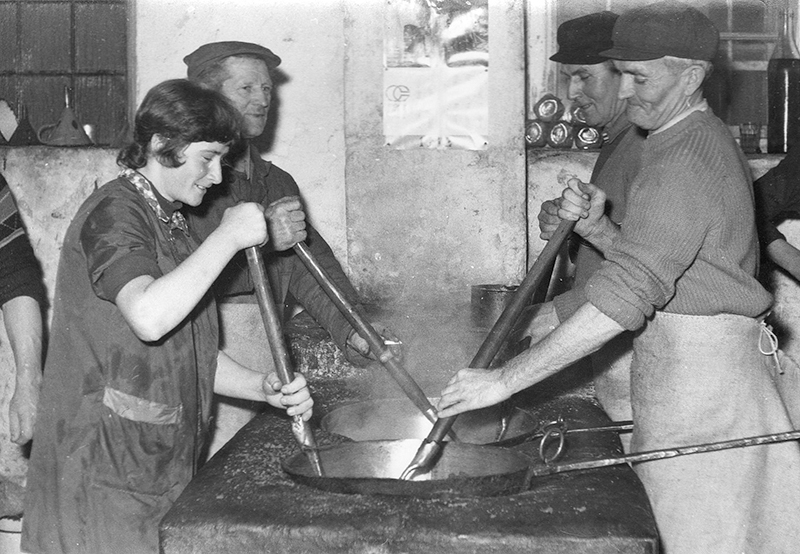
A technical report—minutes from 1929 by the District Administration, approved in Ivanec on March 18, 1930—precisely outlines the methods of using the mill, water resources, and hydraulic devices, accompanied by a detailed sketch. The mill provided grain milling services and, during the winter months, processed walnuts, oak acorns, and pumpkin seeds for the production of black oil (seed oil).
The owner had his own horse-drawn cart, operated by his son Stjepan, who collected grain from villages and settlements such as Stažnjevec, Greda, Jurketinec, Vidovec, Cerje, and others.
Within the mill complex, there was a "Mill Room" measuring 8x6 meters, where so-called "Partije" (groups of people) would gather after bringing goods for processing. They passed the time with singing, card games, and various other activities, including a game called "Rihter." A highlight was the offering of local food and drink, including sausages, bacon, ham, and wine. In the evening, local residents, especially young men and women, would also gather there.
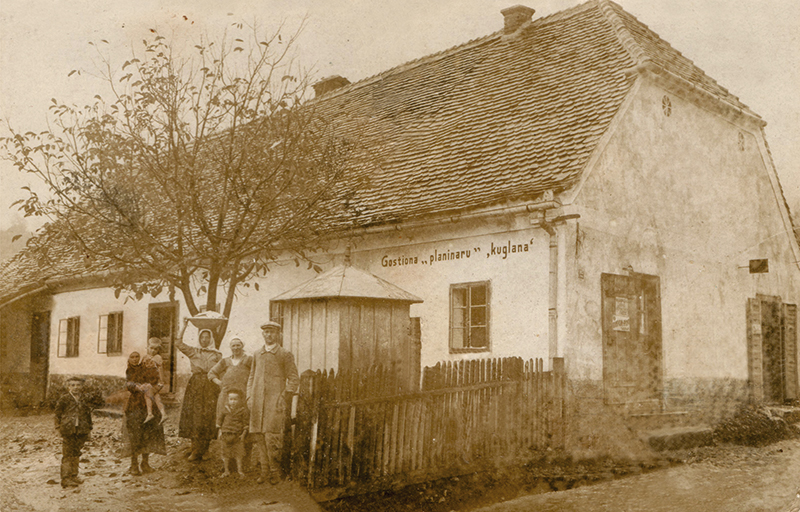
This mill is particularly noteworthy because it hosted Ivanec’s first horizontal bowling alley, an establishment called “Mountaineer Inn, Bowling Alley,” which also included a general store. The bowling alley operated with a wooden hut at the end of the lane, where a person manually set up the pins and returned the ball to the start along an inclined concrete channel. Remnants of the bowling alley are still visible today. An exact testament to this bygone era is the photographic documentation from the early 20th century. According to records and sources, this site was a hub of vibrant social life for the upper part of Ivanec. The mill served as a vital link, fostering synergy between economic activities and the broader social life of the community.
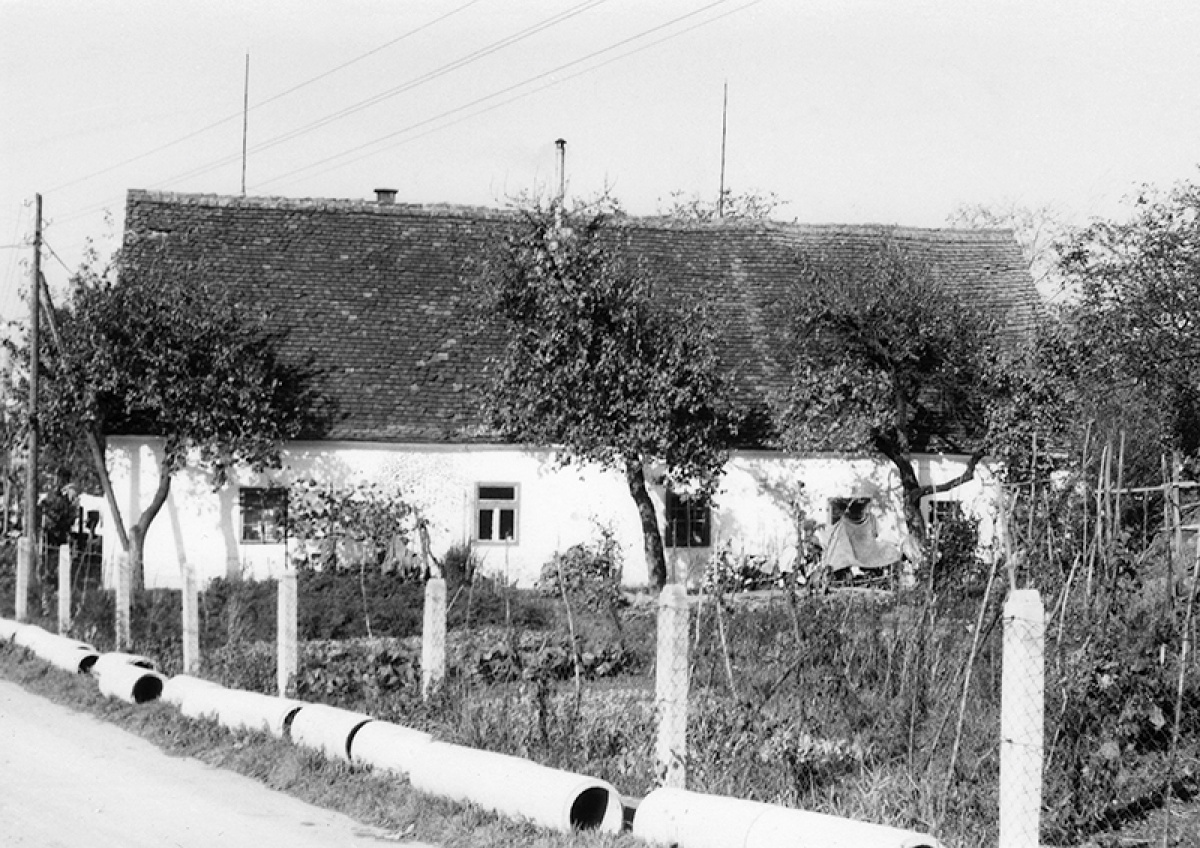
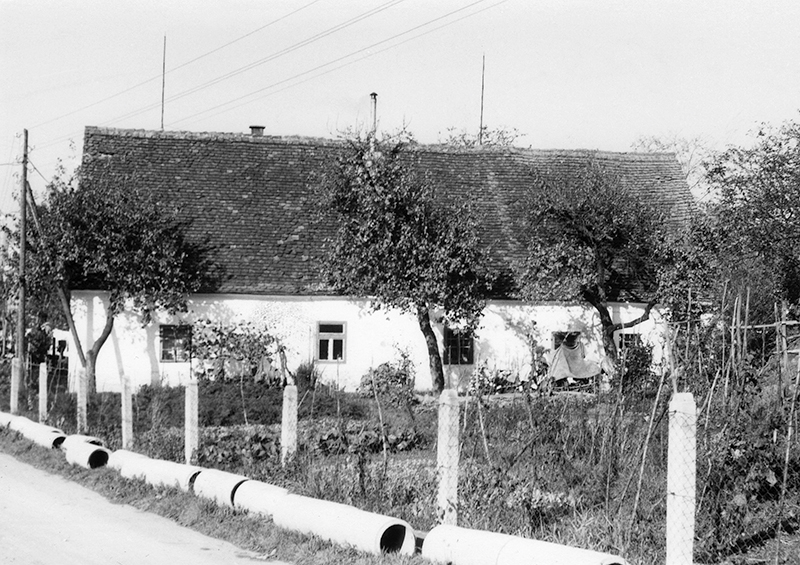
The mill building still exists today, preserving architectural and mechanical traces—remnants of milling activities on the Bistrica stream. The current heirs aspire to revitalize and enhance the mill as a valuable cultural, economic, and tourist asset for the town of Ivanec.
Materials and information provided by Krešimir Friščić.